Sustain calls for local food systems to be prioritised in the government’s forthcoming Food Strategy as new review of evidence, comissioned by Sustain and conducted by Organic Research Centre, shows they can be more shock resilient than incumbent systems, whilst also strengthening local economies.
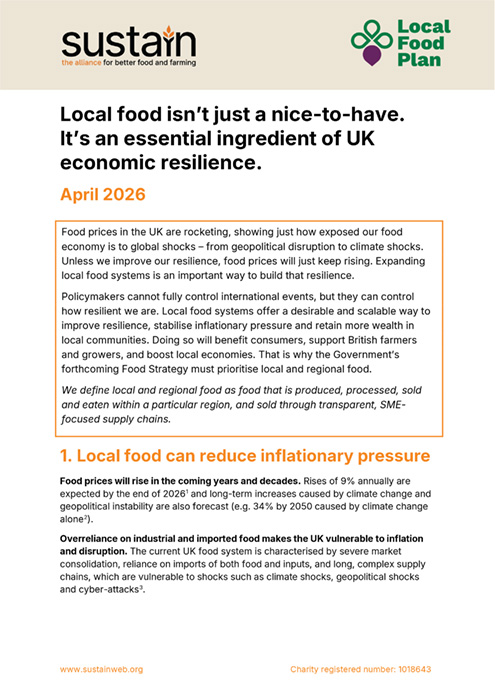
Policymakers cannot fully control international events, but they can control how resilient we are. Local food systems offer a desirable and scalable way to improve resilience, stabilise inflationary pressure and retain more wealth in local communities. Doing so will benefit consumers, support British farmers and growers, and boost local economies. That is why the Government’s forthcoming Food Strategy must prioritise local and regional food.
We define local and regional food as food that is produced, processed, sold and eaten within a particular region, and sold through transparent, SME-focused supply chains.
Food prices will rise in the coming years and decades. Rises of 9% annually are expected by the end of 2026 and long-term increases caused by climate change and geopolitical instability are also forecast (e.g. 34% by 2050 caused by climate change alone).
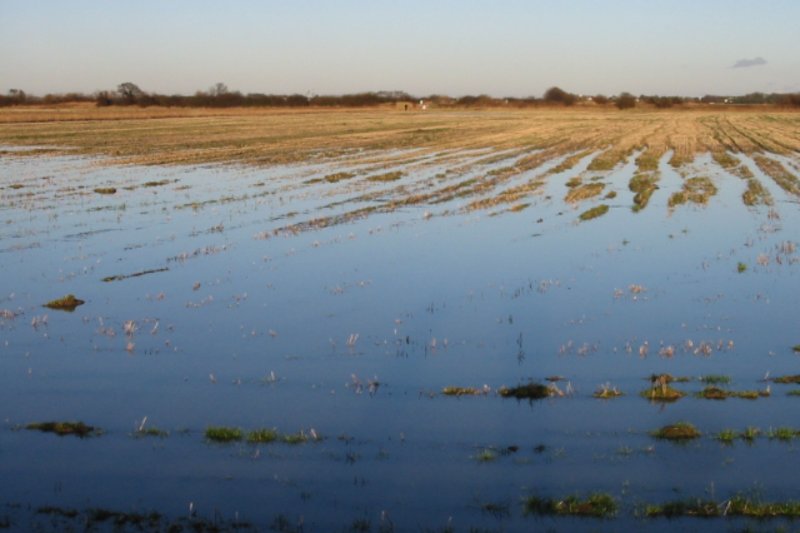
Overreliance on industrial and imported food makes the UK vulnerable to inflation and disruption. The current UK food system is characterised by severe market consolidation, reliance on imports of both food and inputs, and long, complex supply chains, which are vulnerable to shocks such as climate shocks, geopolitical shocks and cyber-attacks.
While not immune, local food systems can be more resilient to imported inflation:
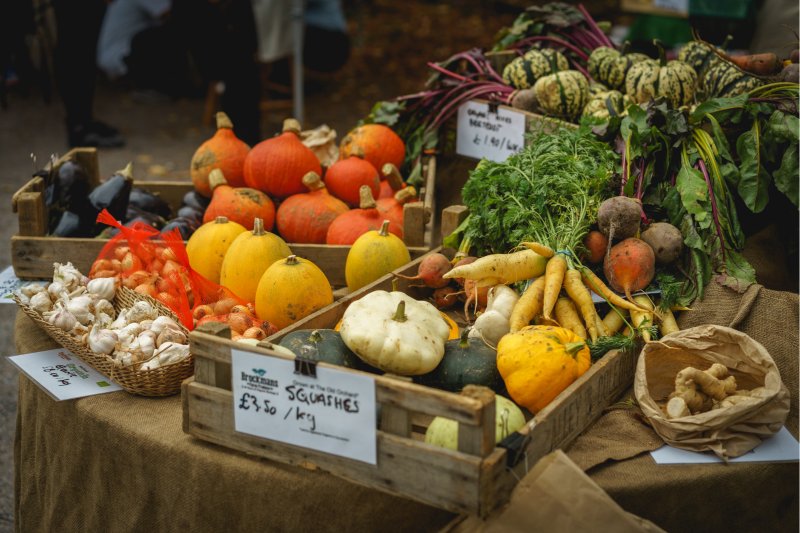
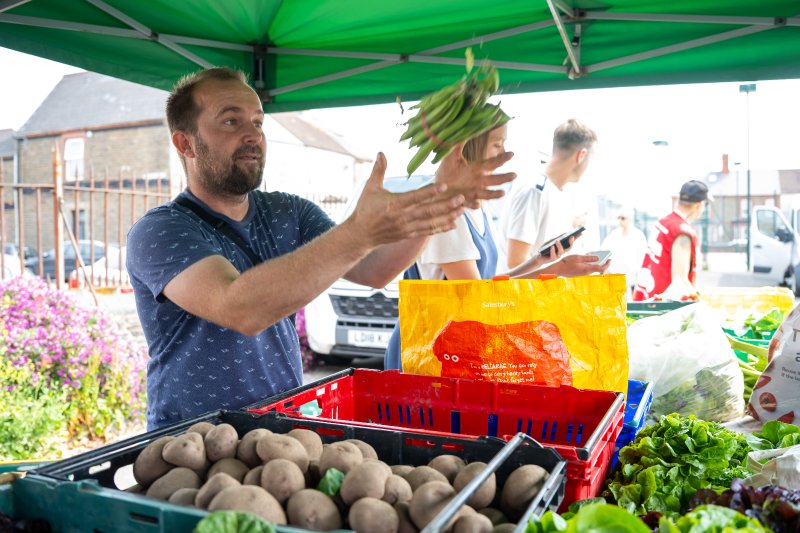
Local food prices and availability can be more stable in shocks. On pricing, Canadian evidence shows that farmers markets experienced lower price increases than national grocery stores from 2018-2023, as well as less frequent rises . On availability, demand for local food surged 111% in the UK during the COVID period, as supply remained stable while supermarket supply faltered.
Scaling local food will lower costs and improve resilience. Local food systems can help limit the impact of shocks, but they need scaling. This is not purely about the domestication of supply but sourcing a greater proportion of our food through shorter, simpler, more diverse supply chains that prioritise organic and nature-friendly production, powered by renewable energy.
Price convergence between local and industrial food is possible in the years ahead. Local food systems have suffered from many years of underinvestment. Support to scale local food to deliver 10-30% of UK supply (up from an estimated 0.1-5%) would allow the sector to achieve efficiencies that can make it an affordable, reliable alternative to long supply chains. And as industrial food prices rise, any price gap between them may disappear.
Value generated from supermarket supply chains mostly leaves local economies. Farmers receive a tiny proportion of final retail price through the supermarket system , which often leaves them struggling financially . Meanwhile listed supermarkets receive much more and only spend locally on wages, with 98% of net profits transferred to shareholders through dividends and share buybacks.
Investment in local food can increase farm profitability. Producer incomes from participation in local food systems are high, but so are the costs, due to the current labour intensity of logistics and marketing on a small scale. Investment in local food systems at the regional level would enable economies of scale to reduce those costs, increasing both producer profitability and resilience at the same time.
The current UK food system set-up leaves the UK economically vulnerable and misses the opportunity for local economic growth. Scaling local food systems to deliver a greater proportion of our food, from the estimated 0.1%-5% to 10-30%, can help reduce inflationary pressure, improve food availability, and help bring wealth back to local economies.
The Government’s Food Strategy is a key opportunity to scale what already works.
 MP Briefing: Local food must be key to forthcoming Food Strategy
4pp - 2026 | 311Kb
MP Briefing: Local food must be key to forthcoming Food Strategy
4pp - 2026 | 311Kb
© Sustain 2026 Registered charity (no. 1018643) Data privacy & cookies